Why I Love Jury Trials
I love jury trials. And if you are an attorney, you should, too.
I just testified in front of a jury at the downtown courthouse. It was actually a blast. I love jury trials. I love being in person. It’s great because the judge is very clear with the jury. He gives them instructions yet provides a lot of leeway. I can turn to the judge and ask for permission to elaborate on something. He wants the jury to understand, especially forensic terminology.
For example, I defined the word “forgery” as a crime, not necessarily as just a verb. It was easy to talk about electronic transfer. “Judge, may I define that?” You can talk in a more basic, relatable way that you wouldn’t normally get to use if you’re just answering direct questions.
Why Jury Trials Work in Your Favor
In a bench trial, judges can limit you. It becomes, “Just answer the question, Mr. Baggett. Yes or no.” And opposing counsel tends to be more hostile in a bench trial, especially during depositions. In a jury trial, however, the other attorney is usually less hostile because they don’t want to be perceived negatively by the jury.
If the judge doesn’t like you, that’s one thing. But if the jury doesn’t like the defendant—or the other attorney—it can go very badly. What I find in jury trials is that everyone is on their best behavior. Even when opposing counsel questioned my credentials, the tone remained professional and respectful.
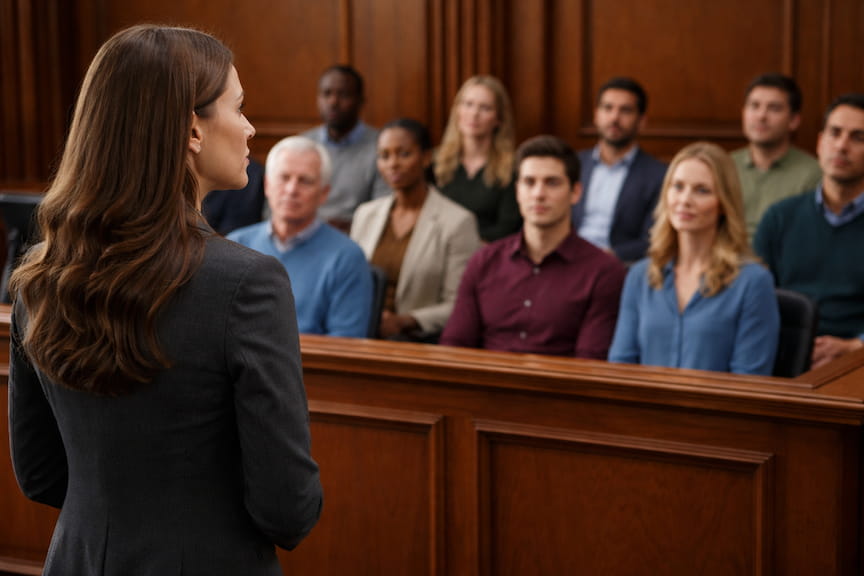
In this case, as in most, my credentials were stipulated because I’m rock-solid on the witness stand. I believe jury trials are a great choice if you have the right expert witness. If you’re an attorney or a client trying to choose an expert witness, understand that many experts can write excellent technical reports. They can be very accurate. But the real question is, how do they perform on the witness stand? Do they seem trustworthy and likable? Do they talk to the jury and look them in the eye? Do they know how to work a room?
The Expert Who Can Win a Room
That’s the piece of the puzzle where many forensic experts—and experts of any type—fall short.
I remember a scene in the TV series Dexter where the main character, a brilliant blood-spatter analyst, took the stand. The analytical, engineering-type forensic mind is not always the kind of mind that can capture a jury’s attention, look them in the eye, and talk to them like human beings. Jurors aren’t stupid. They just don’t know what the expert knows. You can’t talk down to them; you have to meet them at their level. You have to watch for the nods. That’s what I look for—when they’re nodding.
Sometimes I’ll say, “You know how you have this in your house?” or “Remember this from high school?” I describe things in familiar terms. Years ago, I described a handwriting feature by saying, “It’s not a technical term, but it looks kind of like a roof. You know how the overhang directs water down and away? It’s kind of like that.” The jury got it immediately. You really couldn’t do that with much flexibility in a bench trial, because they want strictly technical terminology.
My suggestion is simple: If you’re looking for an expert witness, hire the best one you can afford. But if you think the case may go to trial—especially a jury trial—you need someone you’ve spoken to on the phone, maybe had a quick Zoom call with, and who you’ve confirmed presents well.
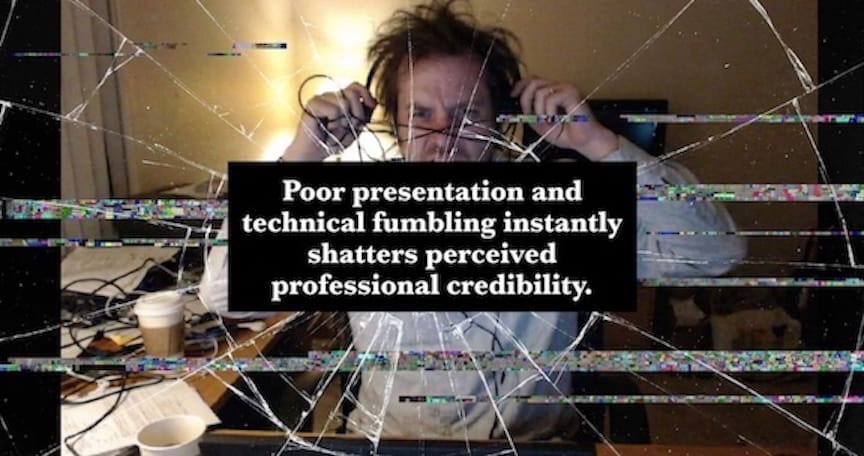
I had a Zoom trial once. I showed up with great lighting and an articulate delivery, and I knew how to use Zoom properly. The other expert showed up late and struggled with the technology. She was fumbling through controls and had difficulty adjusting the sound. In a trial setting, that kind of fumbling sends a subtle but damaging message to the jury about competence and preparation.
Presentation Matters
When someone appears disorganized or unprepared, it can undermine the perception of their analysis. Expert witnesses must be likable and trustworthy. “Trustworthy” means they come in without an agenda. They may be hired by one side, but if the facts were different, they’d say, “The facts don’t support your position. You may not need me.”
That belief has to be real. It’s not about acting. It’s about integrity. You want someone ethical, someone without disciplinary issues or a questionable professional record. But more importantly, can they articulate clearly and concisely? That’s the key.
At Handwriting Experts Inc., we train our experts extensively. We do jury training and witness stand preparation. We want them to be as articulate as possible. That way, if the evidence aligns with your narrative, we can show up to court and help you win that case—by telling the truth.
Once we determine a narrative matches the evidence, we want to help people win. But we don’t want to help someone who’s lying win. Quite often—almost half the time—we tell attorneys that the evidence doesn’t support what their client is saying. Sometimes it’s inconclusive. Sometimes the quality or quantity of evidence isn’t strong enough to win.
And we’re honest about that.
If you need more help choosing an expert witness, reach out. We have extensive resources and articles on our website. My name is Bart Baggett of Handwriting Experts Inc. Call our office, and we’ll refer you to one of our experts who can perform strongly on the witness stand—especially in a jury trial.
Bart Baggett
The Nation’s Leading Forensic Handwriting Expert
CEO of Handwriting Experts Inc.
Forensic Document Examiner • Expert Witness • Legal Consultant
“We solve million-dollar forgery cases.”
Telephone: 1-800-980-9030
YouTube: @thehandwritingexpert
LinkedIn: bartbaggett
Facebook: bartbaggett
https://www.instagram.com/forensichandwritingexpert
https://www.tiktok.com/@handwritingexpertsinc
—————————————————————-
FAQ
—————————————————————-
Q1: What makes a jury trial different from a bench trial for an expert witness?
A1: In a jury trial, expert witnesses have more flexibility to explain technical terms in plain, relatable language. All parties also tend to maintain a more professional demeanor, as hostile behavior can negatively influence the jury. Bench trials often restrict witnesses to strict, technical yes-or-no answers.
—
Q2: What qualities should attorneys look for when hiring an expert witness for a jury trial?
A2: Attorneys should seek an expert who is credible, likable, and skilled at communicating complex information to non-specialists. The ability to make eye contact with jurors, speak in relatable terms, and present confidently—whether in person or via video—is critical to courtroom success.
—
Q3: How does Bart Baggett prepare expert witnesses for courtroom testimony?
A3: Through Handwriting Experts Inc., Bart Baggett provides jury training and witness stand preparation to help experts communicate clearly, concisely, and confidently before a jury, ensuring they come across as trustworthy and articulate.
—
Q4: What happens if the evidence does not support a client’s position?
A4: Handwriting Experts Inc. is committed to honesty. If the evidence doesn’t support the client’s narrative, they inform the attorney directly—sometimes advising that the expert is not needed or that the evidence is inconclusive. Nearly half the time, they tell attorneys the evidence does not support their client’s claim.