Howard Hughes and the “Mormon Will” Forgery Case
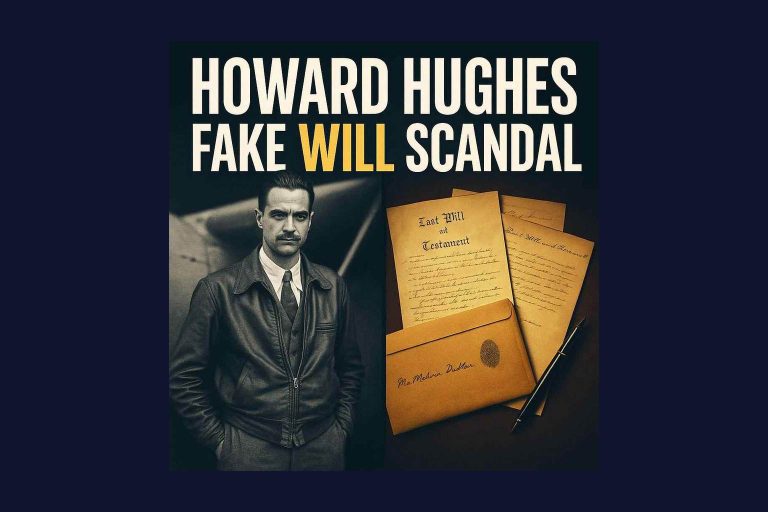
When Howard Hughes died in 1976, a handwritten will appeared out of nowhere, splitting his fortune in unexpected ways. A Las Vegas jury called it a forgery after a dramatic trial.
Articles by Bart Baggett.
Articles by Bart Baggett.
When Howard Hughes died in 1976, a handwritten will appeared out of nowhere, splitting his fortune in unexpected ways. A Las Vegas jury called it a forgery after a dramatic trial.
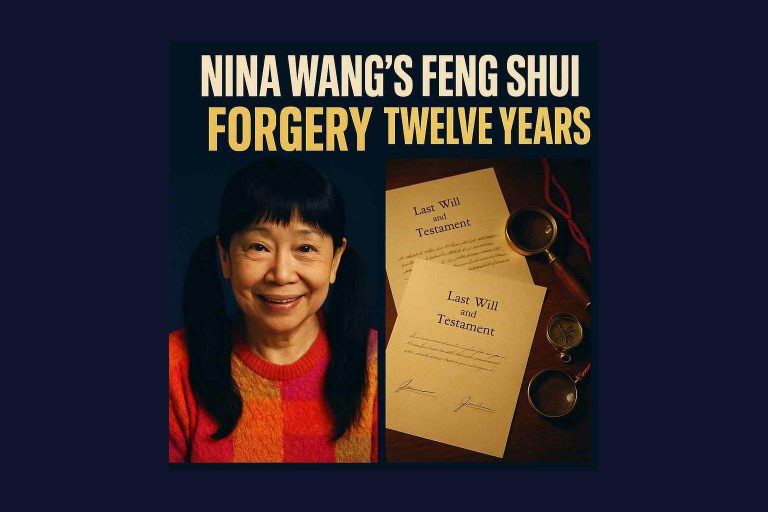
When Nina Wang died, two competing wills surfaced—one naming her charitable foundation, another her feng shui adviser. The court called the 2006 signature a ‘highly skilled simulation.’
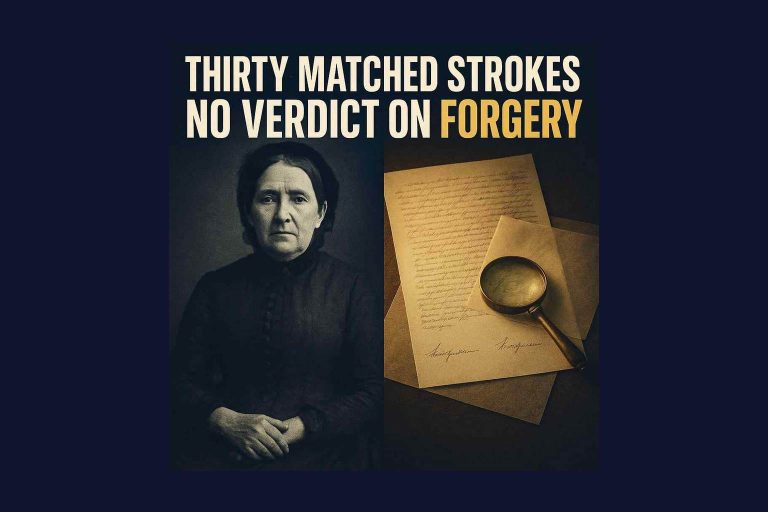
In 1868, Hetty Green was accused of forging a $2 million will after a signature matched thirty out of thirty downstrokes. The court never ruled on its authenticity.
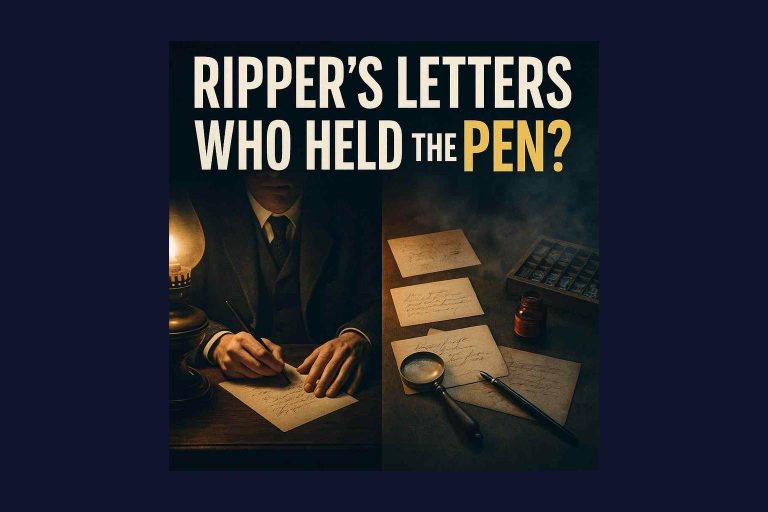
Hundreds of letters claimed to be from Jack the Ripper flooded London in 1888. Most experts, including Scotland Yard, doubt any were written by the real killer.
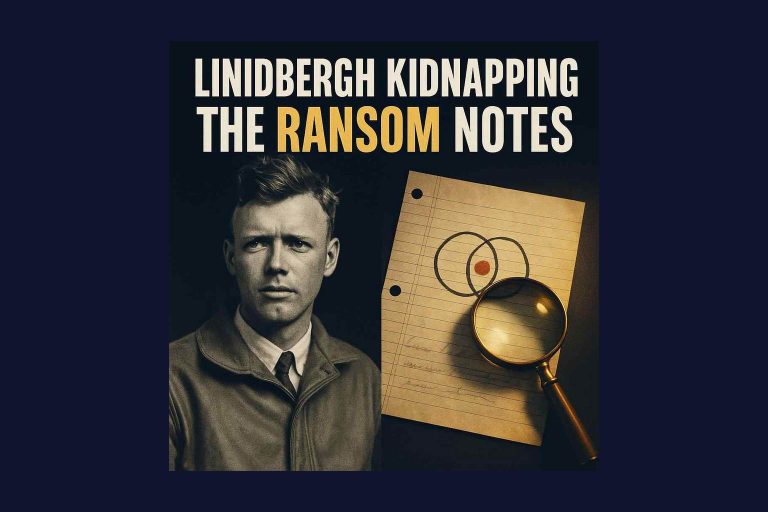
The Lindbergh kidnapping case turned on thirteen ransom notes and a controversial handwriting analysis. Eight examiners agreed on their findings, but the way exemplars were collected still shapes forensic practice today.
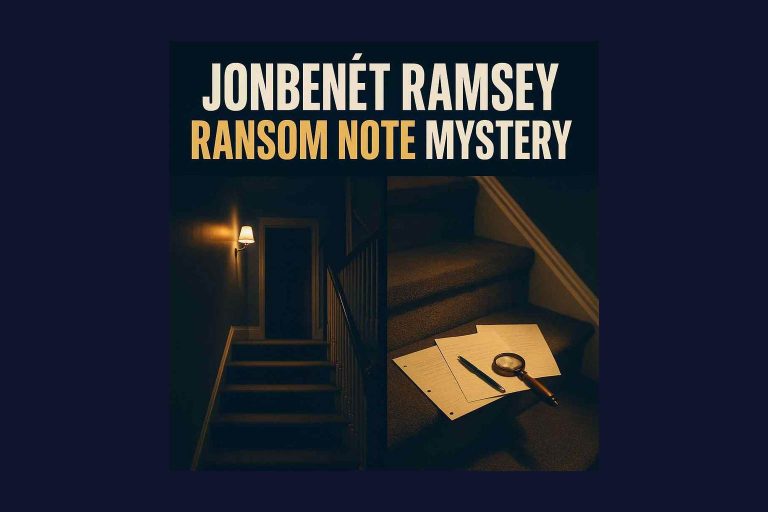
The JonBenét Ramsey ransom note—two and a half pages found in the Ramsey home—remains one of the most examined but inconclusive documents in American crime. Nearly 30 years later, no one has identified its author.
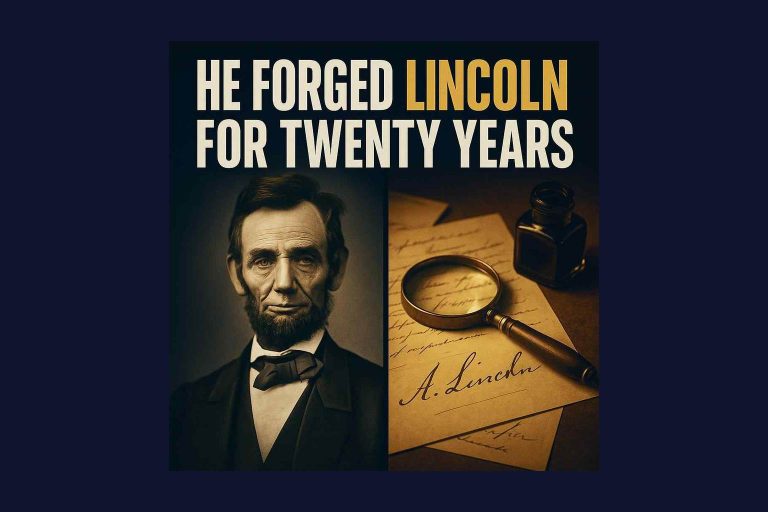
Joseph Cosey forged letters by Abraham Lincoln and others for decades. Some of his forgeries still circulate in collections today, now openly labeled as his work.
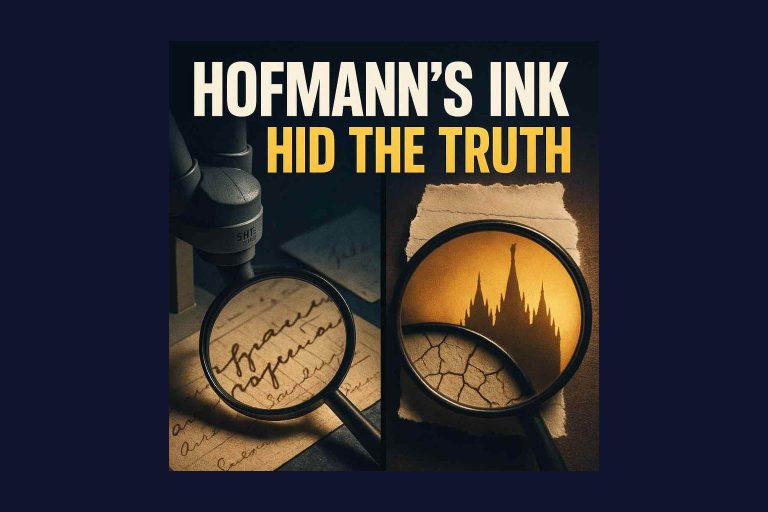
Mark Hofmann’s forged Mormon documents fooled collectors, the church, and even federal investigators—until document examiners uncovered the truth. This case ended in tragedy and changed how experts approach questioned documents.
In 1983, sixty volumes of supposed Hitler diaries fooled historians and publishers—until forensic testing revealed modern paper and ink. The case is a lesson in why originals matter.
Sherwood Morrill, California's lead document examiner, compared the Zodiac letters to the main suspect's writing—and ruled him out. Sometimes, exclusion is the answer that matters most.