The Baron of Arizona: James Reavis and the 12-Million-Acre Forgery
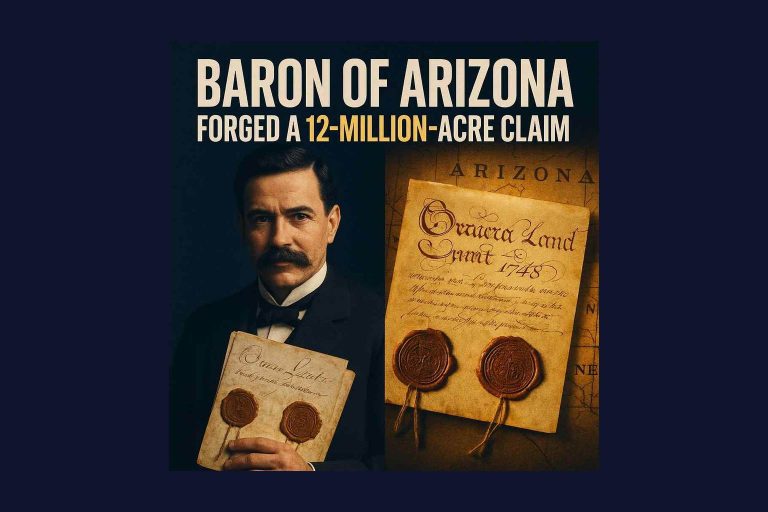
James Reavis claimed 12 million acres in Arizona and New Mexico with forged Spanish land grants. Forensic document examiners exposed his fraud, leading to conviction.
Articles by Bart Baggett.
Articles by Bart Baggett.
James Reavis claimed 12 million acres in Arizona and New Mexico with forged Spanish land grants. Forensic document examiners exposed his fraud, leading to conviction.
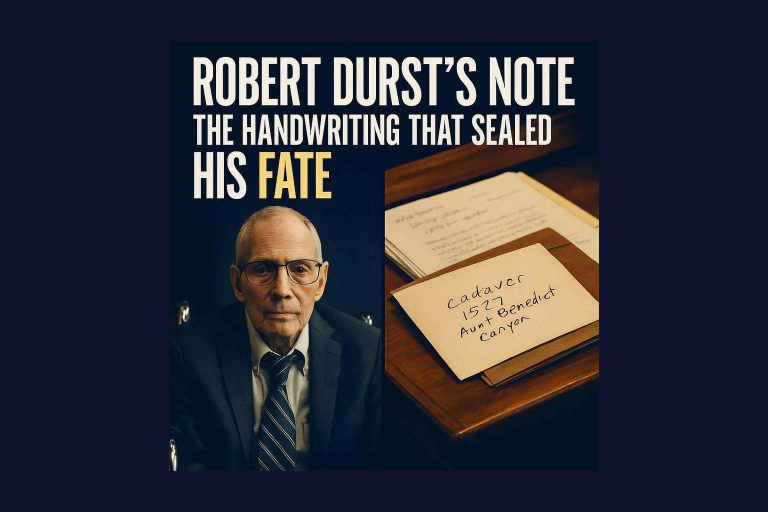
Robert Durst’s handwritten ‘cadaver’ note, sent anonymously to police, became the evidence that helped convict him of murder after years of denial and speculation.
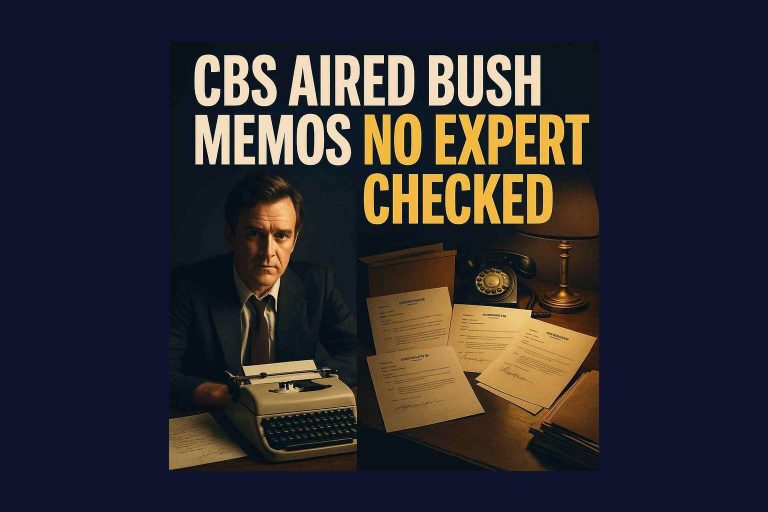
In 2004, CBS aired memos about President George W. Bush's National Guard service without forensic authentication. The controversy led to a major retraction and changed several careers.
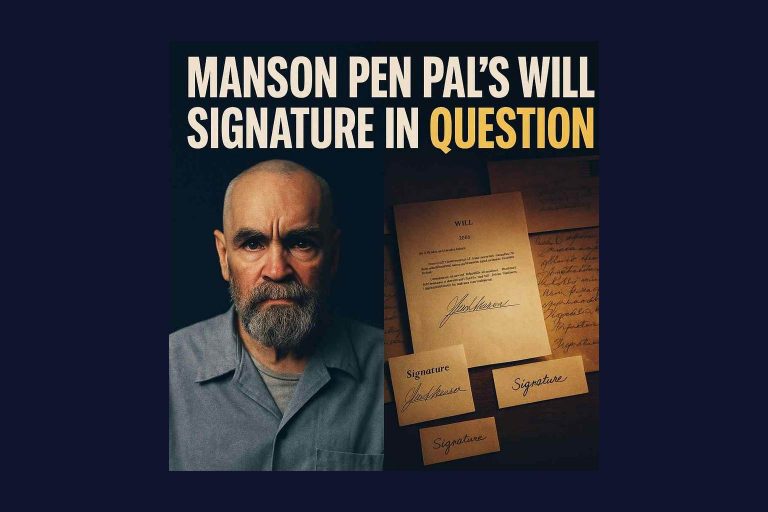
Charles Manson’s 2002 will, produced by a prison pen pal, has sparked years of legal battles over his estate. The authenticity of the will’s signature remains unresolved.
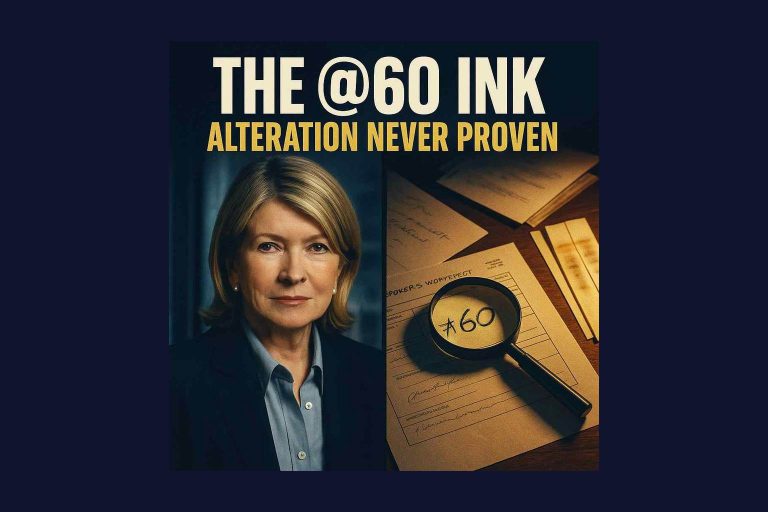
In Martha Stewart’s 2004 trial, ink analysis showed the “@60” note on a broker’s worksheet was written with a different pen. The jury acquitted on that charge.
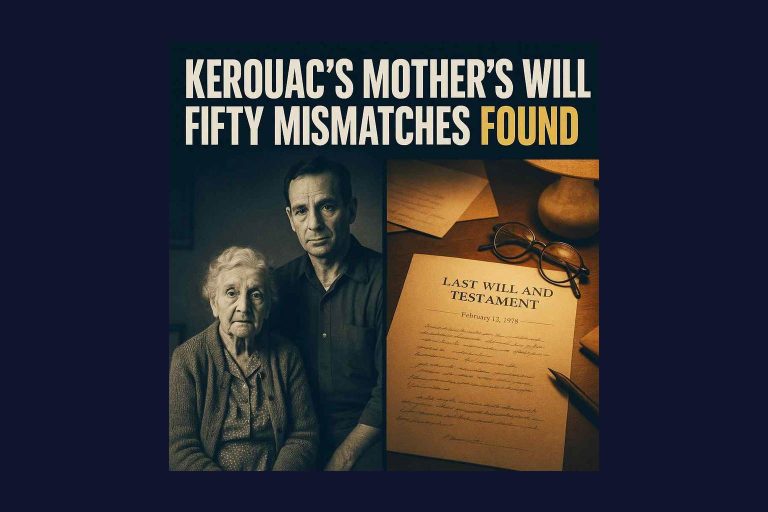
In 2009, a judge ruled Jack Kerouac’s mother’s will a forgery after an expert found fifty differences in the signature. The $20 million estate’s future was left in limbo.
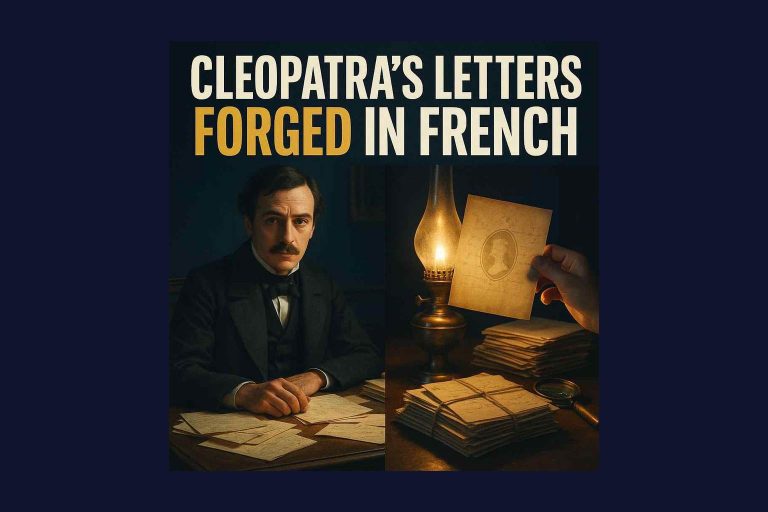
Denis Vrain-Lucas sold thousands of forged letters, including some from Cleopatra written in modern French, to a respected scientist. The case still shapes how experts examine questioned documents today.

Anna Anderson convinced experts she was Anastasia using handwriting evidence, but decades later, DNA proved she was not the lost Romanov.
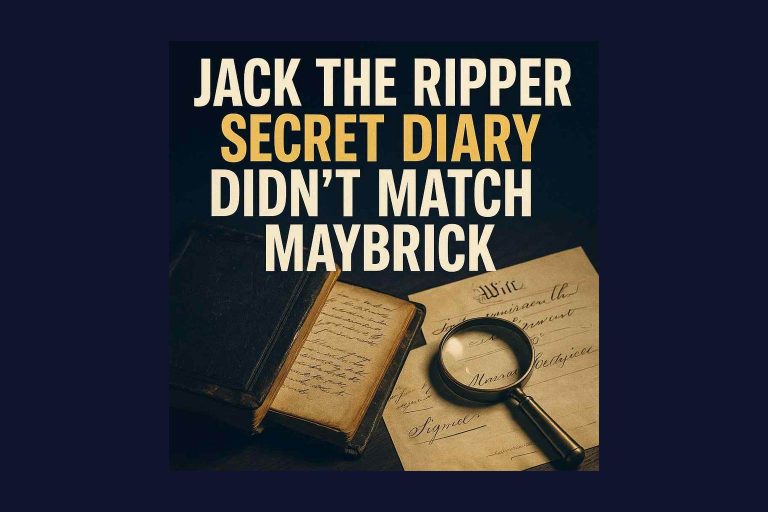
When a Victorian scrapbook surfaced claiming to be Jack the Ripper’s confession, handwriting analysis—not chemistry—revealed it didn’t match James Maybrick.
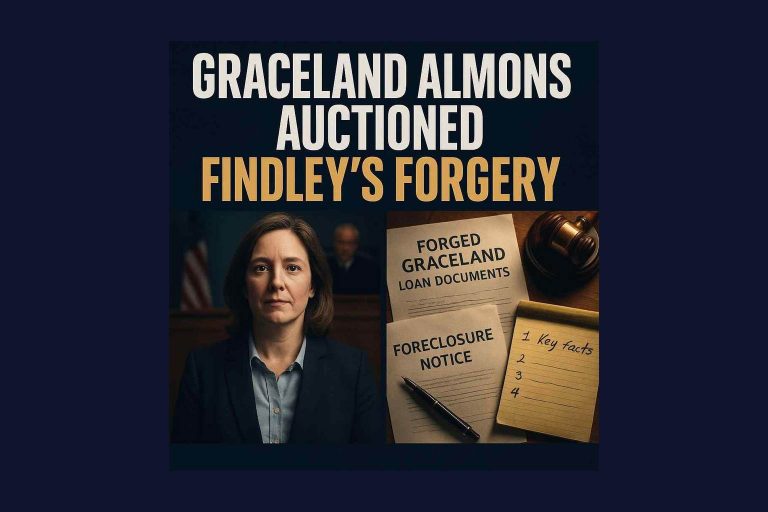
In 2025, a forged loan scheme nearly auctioned off Elvis Presley’s Graceland. The plot unraveled when a notary’s affidavit exposed the fake documents.