Anne Frank’s Diary: The Ballpoint Pen Myth and Forensic Proof
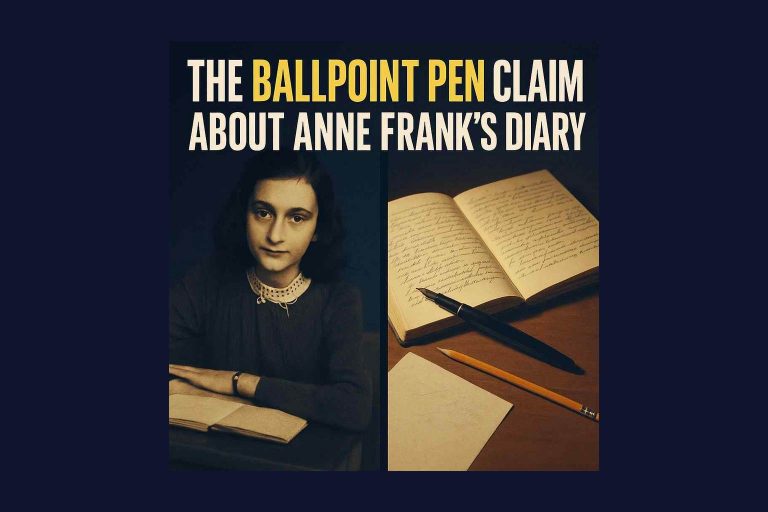
Claims that Anne Frank’s diary was a forgery written with a ballpoint pen spread in the 1980s. Forensic science proved the diary’s authenticity and ended the myth.
Articles by Bart Baggett.
Articles by Bart Baggett.
Claims that Anne Frank’s diary was a forgery written with a ballpoint pen spread in the 1980s. Forensic science proved the diary’s authenticity and ended the myth.
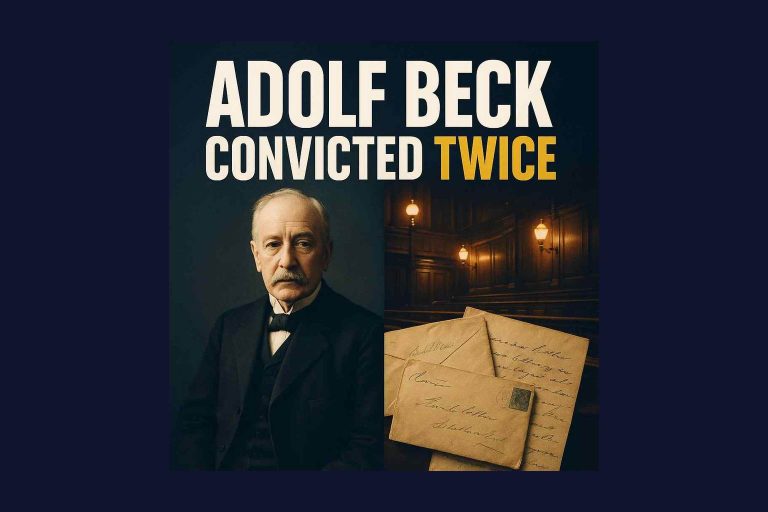
Adolf Beck spent years in prison for crimes he didn’t commit, all due to handwriting evidence and mistaken identity. His case changed British law forever.
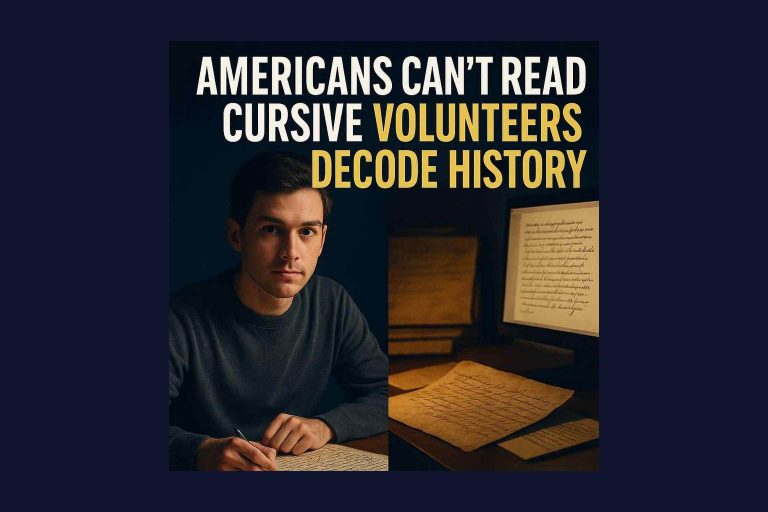
Most Americans can’t read cursive handwriting. Here’s how volunteers in the National Archives’ Citizen Archivist Program are making history accessible—one document at a time.
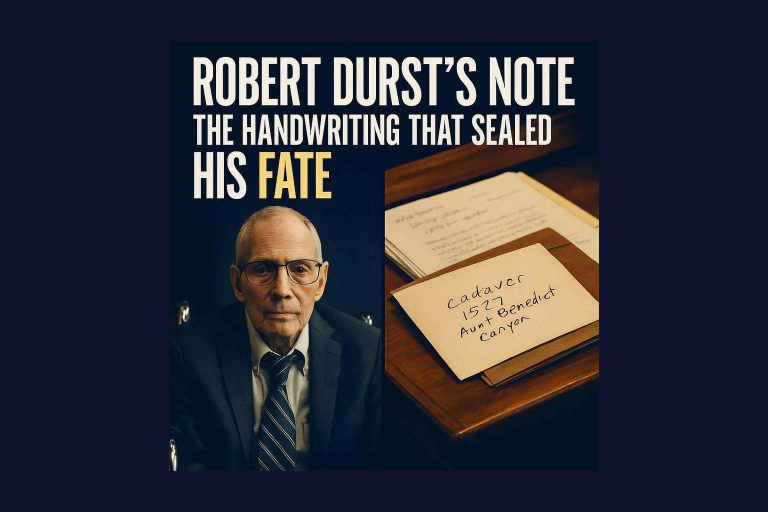
Robert Durst’s handwritten ‘cadaver’ note, sent anonymously to police, became the evidence that helped convict him of murder after years of denial and speculation.
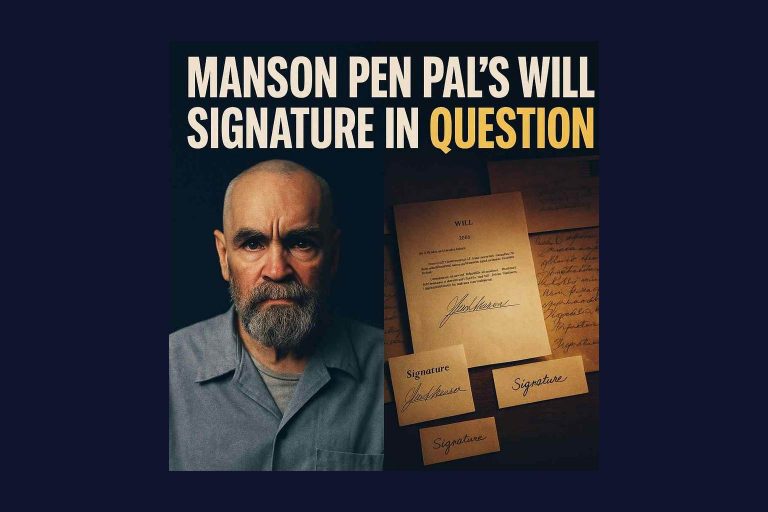
Charles Manson’s 2002 will, produced by a prison pen pal, has sparked years of legal battles over his estate. The authenticity of the will’s signature remains unresolved.
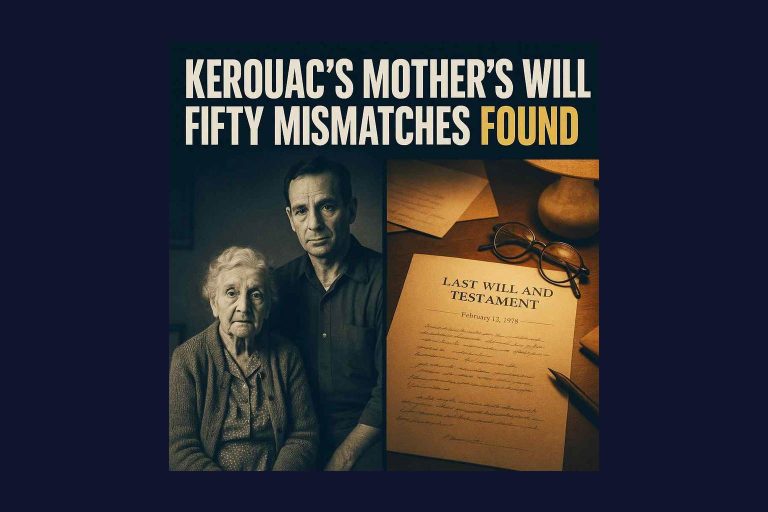
In 2009, a judge ruled Jack Kerouac’s mother’s will a forgery after an expert found fifty differences in the signature. The $20 million estate’s future was left in limbo.

Anna Anderson convinced experts she was Anastasia using handwriting evidence, but decades later, DNA proved she was not the lost Romanov.
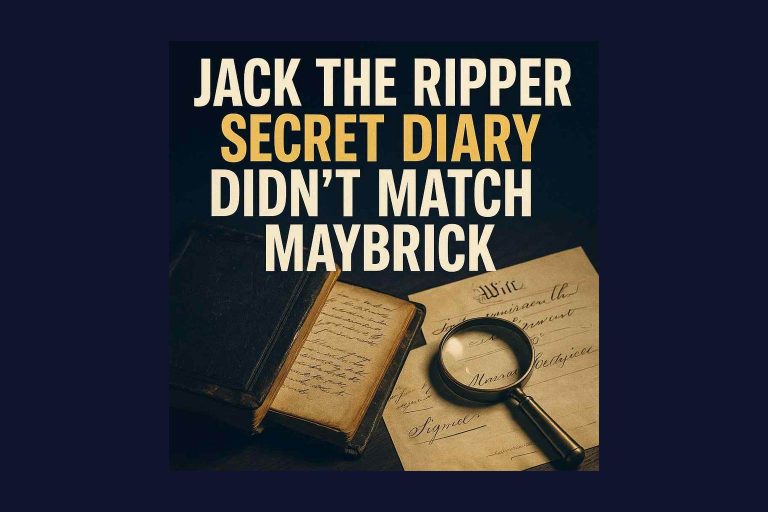
When a Victorian scrapbook surfaced claiming to be Jack the Ripper’s confession, handwriting analysis—not chemistry—revealed it didn’t match James Maybrick.
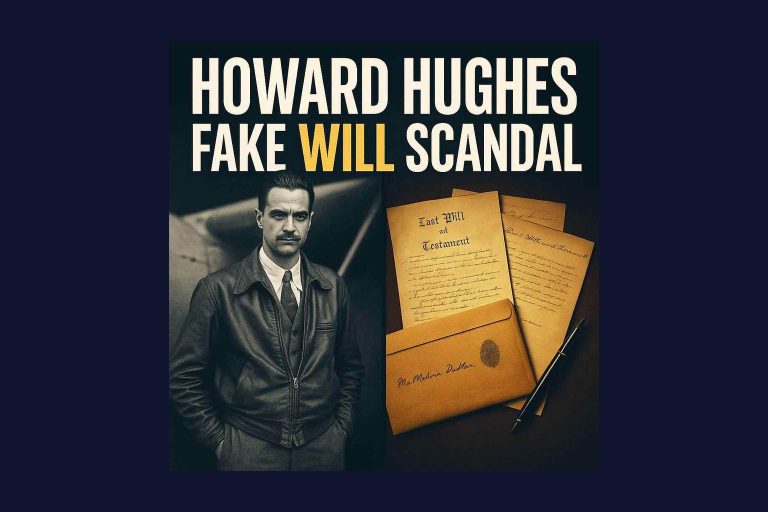
When Howard Hughes died in 1976, a handwritten will appeared out of nowhere, splitting his fortune in unexpected ways. A Las Vegas jury called it a forgery after a dramatic trial.
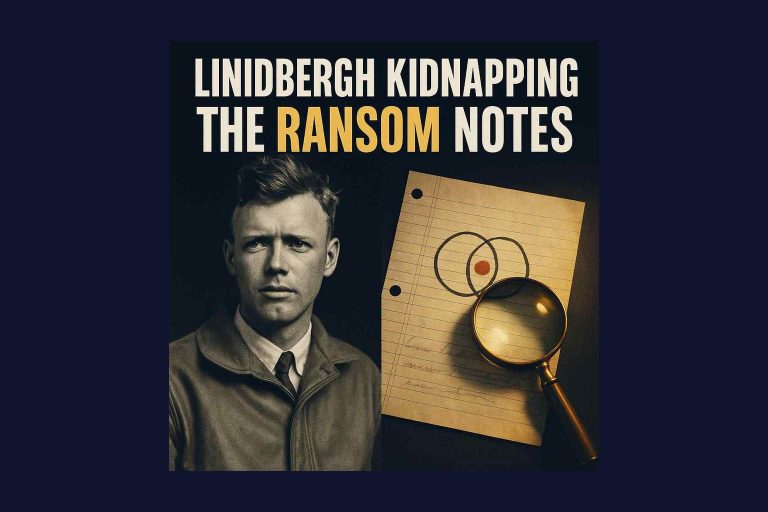
The Lindbergh kidnapping case turned on thirteen ransom notes and a controversial handwriting analysis. Eight examiners agreed on their findings, but the way exemplars were collected still shapes forensic practice today.