Can a Handwriting Expert Be Wrong? Q16.
It’s a fair question, and the honest answer might surprise you. Yes, a handwriting expert can be wrong. But here’s the more important question: under what circumstances does that happen, and how do you make sure it doesn’t happen in your case?
What It Actually Takes to Get It Right
If you hire a forensic document examiner, a court-qualified person who’s been to court a hundred times, who has all the right training, they’re going to get the right answer.
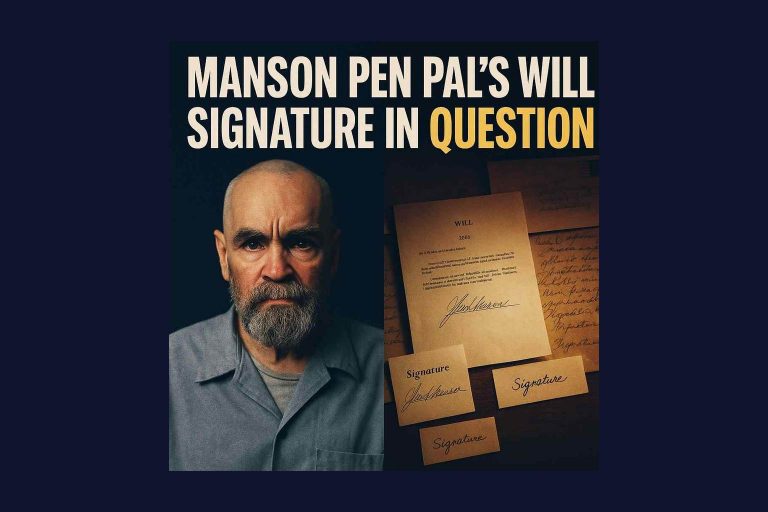
In the video, I was driving to San Diego to examine an original will and testament. I’ll bring my microscope, take photographs, and capture 2,400 dots-per-inch scans of the signature in question. By the time I left, I had everything I needed to form a defensible opinion, one that another qualified expert, reviewing the same evidence, would reach independently.
Why Evidence Is Everything
With the right quantity and quality of evidence, most handwriting experts will reach the correct assessment of authorship. However, the handwriting is only one piece of it.
In wills and testament cases, the document itself matters, too. This is something clients often overlook. Even if the signature on the last page is authentic, that doesn’t mean the document itself is. Pages can be swapped. Paper stock can be inconsistent with the alleged date of signing. Staple holes may not align. A thorough forensic document examiner looks at the whole document, not just the signature.
How to Make Sure Your Expert Gets It Right
A handwriting expert can be wrong, especially if they’re inexperienced or poorly trained. That means you should hire the best you can afford. Make sure they have passed voir dire—that a judge, ideally many judges across many cases, has reviewed their credentials and confirmed them as a qualified expert witness.
The Questions We Answer
The questions we handle most often as forensic handwriting experts are: Did this human being, whom you think you knew, write this name? Did they sign their name, or did someone else sign it in an attempt to commit fraud? Those are the questions we answer—and getting them right is what a court-qualified forensic document examiner is trained to do.
And that’s why you hire a court-qualified handwriting expert.
If you need a forensic document examiner you can trust to get it right, reach out to us at handwritingexpertusa.com. We’ll match you with a qualified expert for your case and your budget.
FAQ Section:
—————————————–
Q1: Can a handwriting expert be wrong?
A1: Yes. Errors are more likely when the expert is inexperienced, poorly trained, or working without enough quality evidence.
Q2: What evidence helps a forensic document examiner reach a defensible opinion?
A2: Access to the original document and the ability to examine it closely—using tools like microscopy, detailed photography, and high-resolution scans—helps support a defensible conclusion.
Q3: Why does the document itself matter in will and testament cases?
A3: Because the signature is only one part of the evidence. Pages can be swapped, paper stock can be inconsistent with the alleged signing date, and staple holes may not align.
Q4: How can I improve the chances of getting the right answer from an expert?
A4: Hire a court-qualified forensic document examiner with appropriate training and courtroom qualification, including having passed voir dire before judges.