How to Steal a House Without Getting Caught… Until You Get Murdered
This isn’t a heist movie. It’s worse. Because in real life, the villain wore a tailored suit and smiled in your face while he stole your entire life savings.
It started with a murder. A man walked into a quiet office in a suburb of Toronto with a shotgun, and he left in a body bag. Two people he had confronted were also dead. But the bullets weren’t the real story.
The real story is about what happened and why. What would drive a hardworking father, a home renovator with two kids, to pick up a hunting rifle and take three lives, including his own? It wasn’t rage or revenge.
It was a fraud. Cold, calculated, and legally invisible.
The Investment That Started It All
They borrowed $1.2 million against their paid-off home to invest in something called private lending. Now, they knew the rehab business, and they were promised first position on the mortgage. What could possibly go wrong?
Well, the crook never filed the mortgage lien. The guy they gave the money to was a professional scam artist, a fraudster. He had, by all accounts, decades of experience running schemes just like this one. A simple deep Google search on this guy and his many aliases could have tipped them off. But they trusted him because he wore a nice suit. He said all the right things. Now, they’re both dead. It didn’t have to end that way.
Alan Kats and his wife thought they were playing it smart. You see, the house was paid off. The real estate market was booming. And a friend told him, “Hey, don’t buy another house and fix it up. You’re working too hard. Be the bank. Lend money. Get 10% returns and enjoy your retirement.”
Enter the wolf in mortgage broker clothing. Kats and his wife were steered toward a broker who helped them withdraw nearly $1.4 million from their home equity and funnel it into a web of private mortgages.
What didn’t they know? The spider’s web was spun by the broker’s husband, Arash Missaghi. A career con man whose name didn’t appear on any document, but he controlled everything. He hid his real identity behind LLCs, corporations, and shell companies.
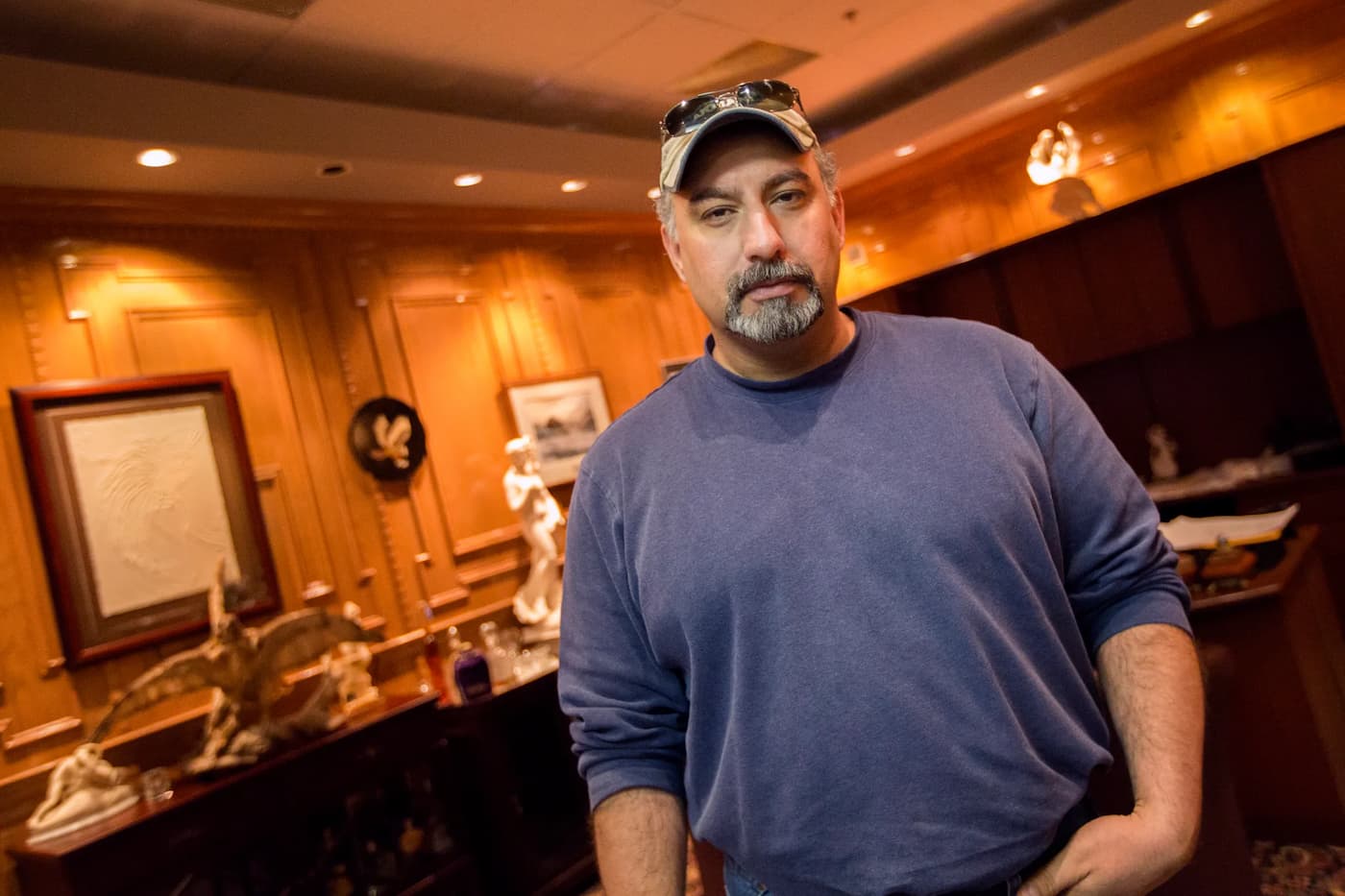
Professional con men are smart. They hide their assets. And they hide their criminal past. You see, if the mortgage lien isn’t registered, it doesn’t exist. You just burned up $1.3 million into thin air. No security. No recourse. Nothing.
You think they didn’t call the cops? Sure, they did. They called the FBI. But Alan Kats thought he had signed official mortgage agreements. He hadn’t. He had signed some papers that were worthless because the guy never registered them. Kats thought he was protected by corporate paperwork. He wasn’t. Every shell company was a puppet on Missaghi’s strings, and when Kats started asking hard questions, he was introduced to a new guy. Ariani. Soft voice. Big promises. Ariani was actually Missaghi. New name. Same lies. Different name on paper.
Here is where it gets truly ugly. Missaghi used borrowed funds to pay off other debts, sometimes using one victim’s money to buy control of an asset, pay off another victim, force a sale, and pocket the proceeds. He walked away clean, over and over, for twenty years.
The victims were left with nothing. No property. No money. And no justice. This is a classic Ponzi scheme dressed in mortgage banker clothing. Same story. Different asset class. Think Bernie Madoff—but instead of stocks, these were houses.
They were in a system that protects no one. Twenty years. Two dozen scams. Zero convictions. He was investigated. Despite a trail of wrecked lives, court records, court decisions, and financial carnage spanning two decades, Missaghi was never convicted in Canada or any other country.

The Invisible Puppet Master
Why? Because he never put his name on any piece of paper linking the crimes to him. He was an invisible puppet master and used straw men, or fake names, to conduct business and steal people’s life savings. The regulators couldn’t touch him. The police couldn’t pin it on him. And the victims? Well, they were just told, “Sorry. You should get a lawyer.”
Some got a lawyer. One man got a gun.
Alan Kats did what desperate people sometimes do when they’re backed into a corner with no options, no justice, and no hope. He didn’t just lose an investment. He lost his life savings, his home, his future. He lost hope. And he lost faith in the justice system.
He didn’t kill just for revenge. He killed to stop a predator from ruining more families’ lives and stealing more people’s retirement nest eggs. In the movies, they call this guy a hero or vigilante. But in the news, he’s labeled a crazed murderer. The truth, as always, is more complicated than either label. On the day he walked into that building, he left a handwritten note: Stop these criminals from destroying people’s lives.
Was he a hero? Was he a murderer? Justice delayed is fraud enabled. I like to shine light on the silent epidemic of real estate fraud, forgery, and con men. Stealing homes from widows and families happens all the time.
What You Can Do to Protect Yourself
Do not invest in Ponzi schemes. There are thousands of ways to build a retirement fund, and thousands more for someone to steal it from you or your family. Next time you hear the word “opportunity,” and it sounds too good to be true, it probably is. Don’t trust someone to do the work for you and send you a check every month. Those deals do exist in real life, but you’d better do your homework.
My name is Bart Baggett. I’m a forensic document examiner and forgery expert, and cases like this one are exactly why I do this work. This case wasn’t just about forged paperwork or one bad guy. It was about broken legal systems, underfunded government agencies, shadow networks, and lives torn apart while the man walked free and drank champagne. And if you think white-collar crime is nonviolent, tell that to the children who lost their father. Tell that to the family sleeping in a motel because their life savings vanished with one bad investment. Just one.
For every legitimate private lending opportunity, two more are built on fraud and bad faith. Don’t just protect your home. Protect your family. Protect your legacy.
Bart Baggett
The Nation’s Leading Forensic Handwriting Expert
CEO of Handwriting Experts Inc.
Forensic Document Examiner • Expert Witness • Legal Consultant
“We solve million-dollar forgery cases.”
Telephone: 1-800-980-9030
YouTube: @thehandwritingexpert
LinkedIn: bartbaggett
Facebook: bartbaggett
https://www.instagram.com/forensichandwritingexpert
https://www.tiktok.com/@handwritingexpertsinc
——————————————————————————–
FAQ SECTION
——————————————————————————–
Q1: What is private lending fraud and how did it happen in this case?
A1: Private lending fraud occurs when a borrower accepts investment funds promising secured mortgage positions but never registers the lien, leaving investors with no legal claim to the property. In this case, the Kats family invested approximately $1.4 million expecting first-position mortgage security, but the lien was never filed, making their paperwork legally worthless.
Q2: How did Arash Missaghi avoid criminal conviction for over 20 years?
A2: Missaghi kept his name off all documents, operating through shell companies, LLCs, and multiple aliases. Without a direct paper trail linking him to the crimes, regulators and police could not secure a conviction despite two decades of complaints and court records.
Q3: What happened to the family who lost their savings in this real estate fraud case?
A3: Alan Kats and his wife borrowed approximately $1.4 million against their paid-off home to invest in private mortgages. After the fraud was exposed and legal remedies failed, Kats entered the fraudster’s office armed with a firearm. Two people were killed before Kats himself died, leaving behind a handwritten note urging authorities to stop the criminals.
Q4: How can investors protect themselves from real estate and mortgage fraud?
A4: Always verify that any mortgage lien is properly registered after funding. Conduct thorough background checks on all parties involved, including brokers and their associates. If an investment promises unusually high returns with little risk, treat it as a red flag and consult a forensic document examiner or independent attorney before committing funds.