What’s the Job of a Certified Handwriting Expert?
Interesting question. That word, “handwriting expert,” has two meanings, so you have to be specific.
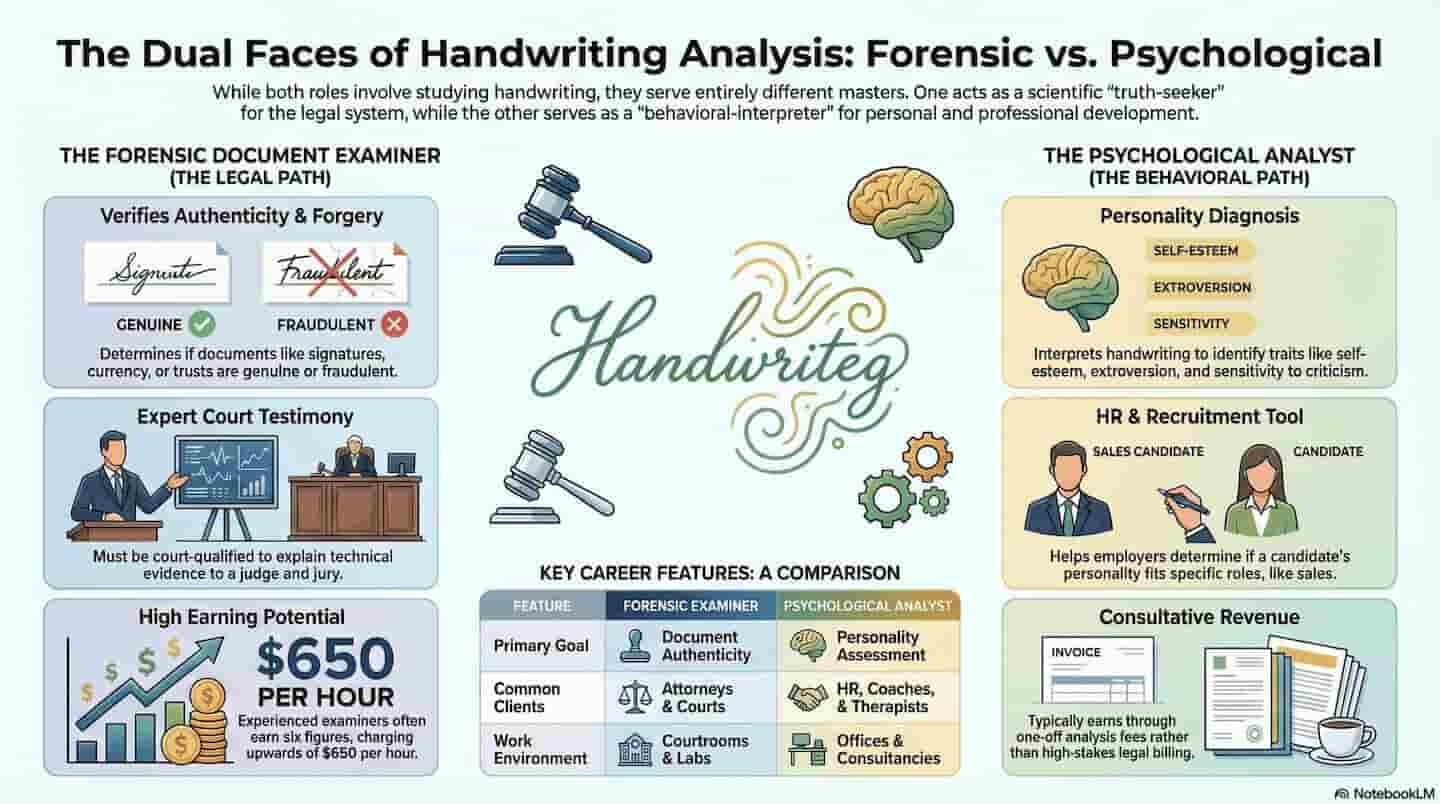
Are you looking for a job as a certified forensic document examiner?
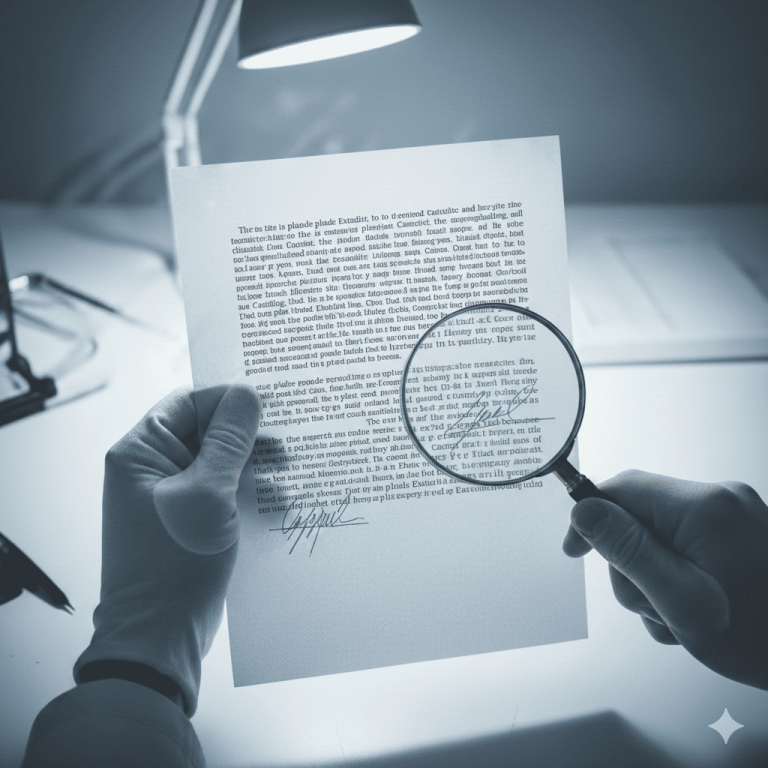
That’s a person (like me) who looks at documents and determines their authenticity.
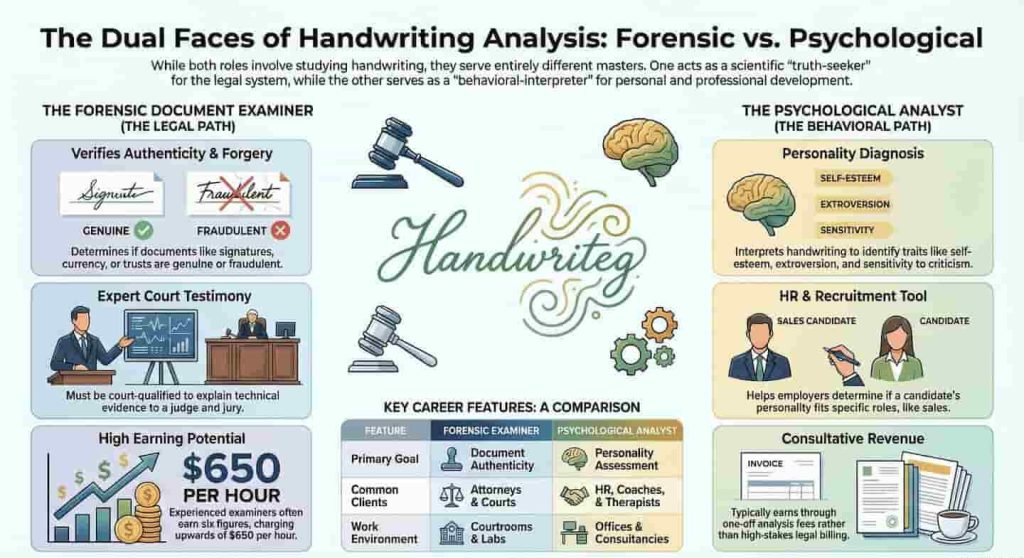
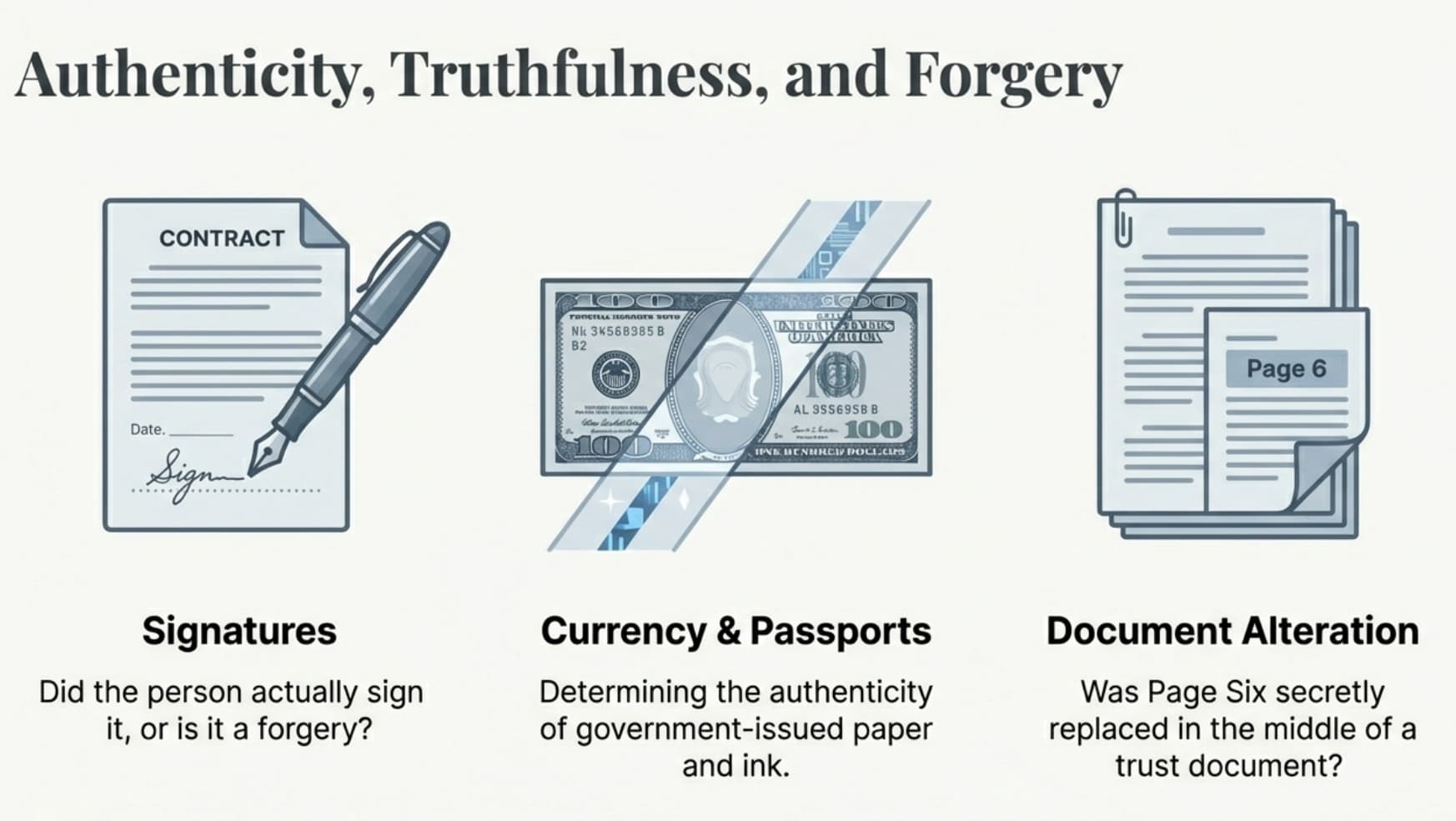
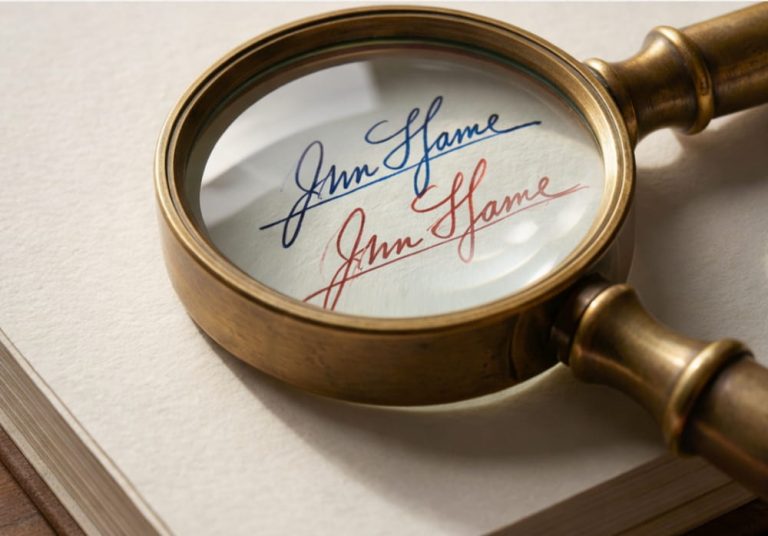
Did the person sign it? Did they not sign it? Is it a forgery? Was Page Seven replaced in the trust document?
We don’t just examine the handwriting, we also examine the document itself—is it even real?
Think about people who assume and live under a false identity using a fake passport. Think about currency counterfeiters (people creating fake money.)
In cases like these, the crime in question is the falsifying of a government0issued document. therefore a document examiner is needed. Document examiners are experts in determining the authenticity of a document. This often also includes the authenticity of the signature on said document.
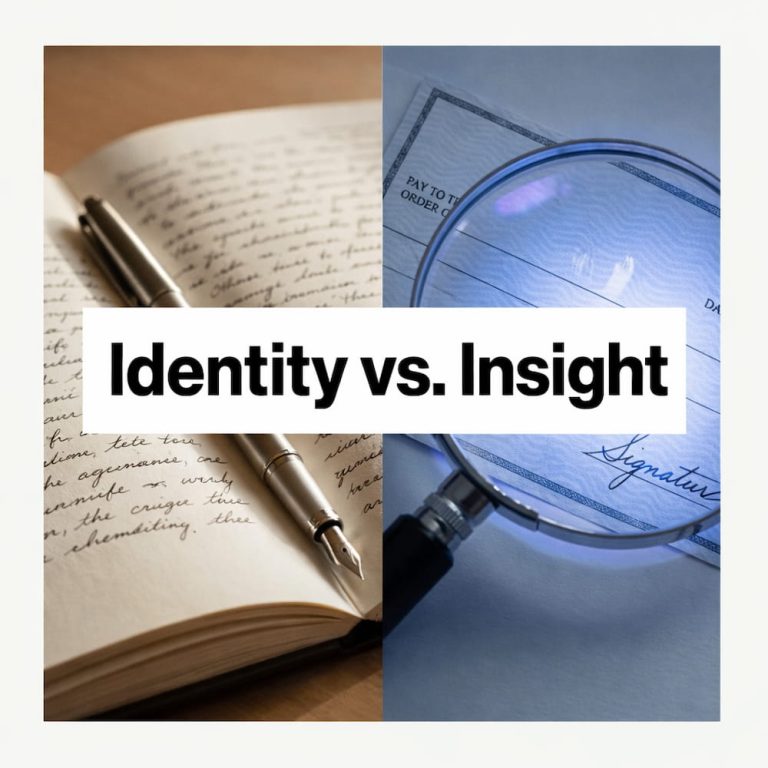
Do all professional handwriting experts work in law?
Actually, there is a second kind of handwriting expert who does not work in the legal system.
These handwriting experts are experts at identifying personality and health traits through handwriting.
Often these are people who already worked in the mental health field and are certified in other specialties. Some examples are HR consultants, therapists, and counselors.
These experts study and become certified in handwriting analysis to add to their skill set as mediators and healers.
What do professional handwriting experts work on if they aren’t legal experts?
There are many ways handwriting analysis can be applied to other fields.
For example, if you are seeing a life coach or a counselor with a background in handwriting analysis, they can analyze your initial handwritten intake.
This helps them get a preliminary idea of what challenges with your mental health that you are wanting to tackle.
Like many of these experts who work in other fields, a handwriting expert who works in Human Resources will likely never tell you that they’re looking at their handwriting.
You probably won’t even know they are an expert.
However, if they ask you to fill out a handwritten form, particularly as part of the hiring process, that means they’re probably looking at your handwriting. They want to use handwriting analysis see if your personality would be a good fit for the role you are applying for.
For example, if you’re applying for an engineering job or a job at an accounting firm, you’re alone at a desk most of the day. Traits like introversion and strong left-brained thinking can be reflected in a person’s handwriting.
That’s a very different personality type than a salesperson who has to be comfortable calling and talking to strangers. For that role, they would look for indicators of an extroverted personality type in your penmanship.
An HR representative trained in handwriting analysis may be able to spot these traits in the way you write your answers on the form.
This kind of personality-based assessment that can’t be “faked” has gained popularity over the past few years. It’s a way to get more information about a candidate’s disposition (much like the enneagram and Meyers-Briggs questionnaire.)
What are the other differences between a forensic document examiner expert and a handwriting expert?
Forensic document examiners work with attorneys, work with clients, and solve crimes.
They also go to court to give testimony explaining the work.
If you ever watch CSI Miami, the forensics department does various tests on the dead bodies. The evidence from those tests doesn’t get in front of a trial unless an expert presents it.
Another example: I watch a lot of the show Dexter. The main character is a blood spatter expert.
There was a scene where he was on the witness stand and he had the wrong file in front of him. Because he did such a poor job giving testimony, they threw out his blood work.
Even though he did the tests correctly, he did not explain it to the court correctly. Thus, both the testimony and the evidence were thrown out.
A forensic handwriting expert must also perform both the analysis and the testimony correctly or the handwriting will be thrown out.
So there’s really two parts of a forensic document examiner’s job: the examination, and the legal expertise.
A forensic doc examiner is doing tests. They’re doing analysis on paper, whether it’s the paper, the ink, finding the age of the document; or just the handwriting in handwritten items.
But they also need to be a legal expert.
There’s two parts to being a legal expert, as well.
Legal experts need to testify on their analysis so the judge and the jury know and understand the results of the tests that were performed. They need to inform.
They need to be able to get the judge believe in their experience and competence to recognize them as an expert, and convince the court that their results and conclusion is correct. They also need to persuade.
Do experts who analyze the psychology of handwriting ever have to testify?
In most cases, no, handwriting experts who are not certified document examiners are generally not legal experts.
But they will give consultations to clients, who are often business owners or other professionals, which can include attorneys.
Does it pay more to be a forensic document examiner or a handwriting expert?
Yes, one type of professional handwriting expert makes way more than the other one.
I’ll let you guess which one. Here’s a hint- when someone has a million-dollar house on the line, they’re willing to pay to solve a million-dollar problem.
Forensic document examiners tend to make six figures or more a year. Most of their rates start at 650 an hour (which is on the low side).
A handwriting expert or a handwriting analyst is generally a one-off gig, so they probably make few hundred bucks for the analysis. General handwriting analysis is really useful, but it’s not going to make you rich.
Forensic handwriting expert is a career that is really hard to get into and expensive to get into. It also takes a while to get credibility. But once you get court-qualified, you’ll make money as long as you want to work.
I know a lot of examiners who worked and didn’t retire until 70 to 90 years old; because once you’re court-qualified, they can never take that away from you.
That’s the difference between a forensic handwriting expert and a psychological handwriting expert.
And yes, I would be willing to testify to that in a court of law, because I am both.
—————————————————————-
FAQ
—————————————————————-
Q1: What are the two types of handwriting analysis experts?
A: There are two main types: forensic document examiners, who authenticate documents and signatures for legal cases, and handwriting analysis experts, who identify personality and health traits through handwriting—often working in fields like HR, therapy, and coaching.
Q2: Do handwriting analysis experts have to testify in court?
A: Forensic document examiners are typically required to testify in court, presenting and explaining their findings to judges and juries. Handwriting analysts who work outside the legal system—such as in HR or counseling—generally do not testify in court.
Q3: How much does a forensic document examiner earn compared to a handwriting analyst?
A: Forensic document examiners tend to earn six figures or more annually, with hourly rates starting around $650. Handwriting analysts working outside the legal field typically earn a few hundred dollars per analysis, making it supplemental rather than a primary income source.
Q4: How is handwriting analysis used outside of the legal system?
A: Outside of law, handwriting analysis is used by HR professionals to assess personality fit during hiring, by therapists and life coaches to gain preliminary insight into a client’s mental health challenges, and by counselors who incorporate it as an additional diagnostic tool.