Kerouac’s Mother’s Will Ruled a Forgery: The $20 Million Signature Dispute
In 2009, a judge ruled Jack Kerouac’s mother’s will a forgery after an expert found fifty differences in the signature. The $20 million estate’s future was left in limbo.
Articles by Bart Baggett.
Articles by Bart Baggett.

In 2009, a judge ruled Jack Kerouac’s mother’s will a forgery after an expert found fifty differences in the signature. The $20 million estate’s future was left in limbo.
Denis Vrain-Lucas sold thousands of forged letters, including some from Cleopatra written in modern French, to a respected scientist. The case still shapes how experts examine questioned documents today.

Anna Anderson convinced experts she was Anastasia using handwriting evidence, but decades later, DNA proved she was not the lost Romanov.
When a Victorian scrapbook surfaced claiming to be Jack the Ripper’s confession, handwriting analysis—not chemistry—revealed it didn’t match James Maybrick.
In 2025, a forged loan scheme nearly auctioned off Elvis Presley’s Graceland. The plot unraveled when a notary’s affidavit exposed the fake documents.
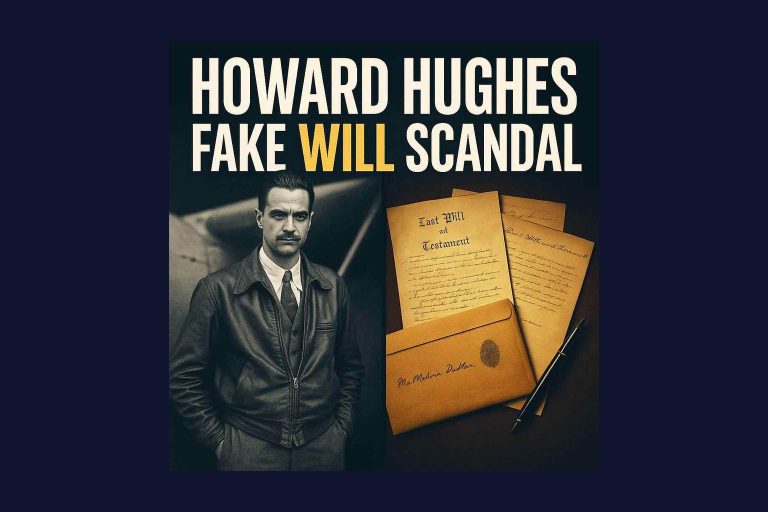
When Howard Hughes died in 1976, a handwritten will appeared out of nowhere, splitting his fortune in unexpected ways. A Las Vegas jury called it a forgery after a dramatic trial.
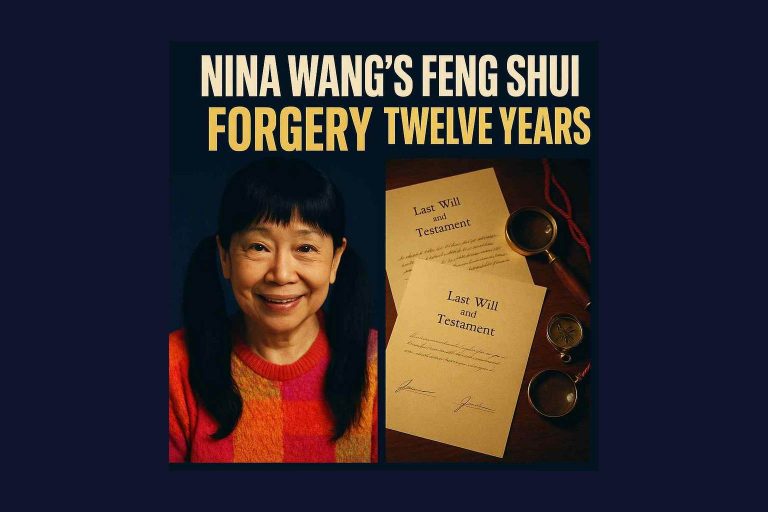
When Nina Wang died, two competing wills surfaced—one naming her charitable foundation, another her feng shui adviser. The court called the 2006 signature a ‘highly skilled simulation.’
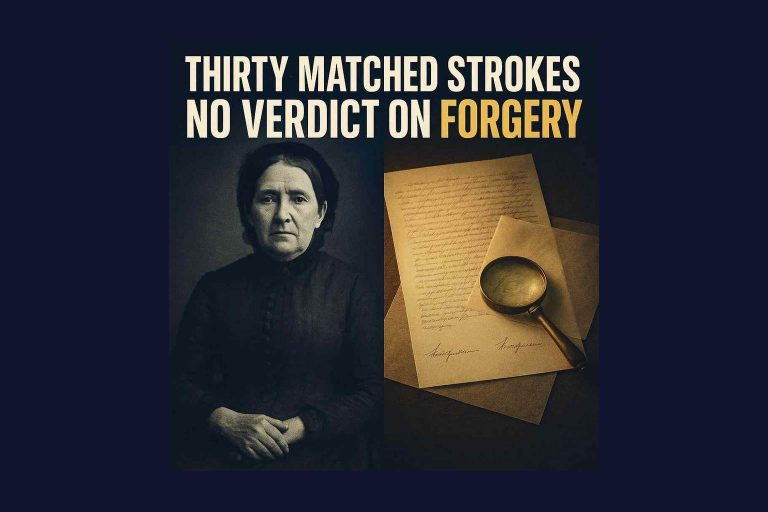
In 1868, Hetty Green was accused of forging a $2 million will after a signature matched thirty out of thirty downstrokes. The court never ruled on its authenticity.
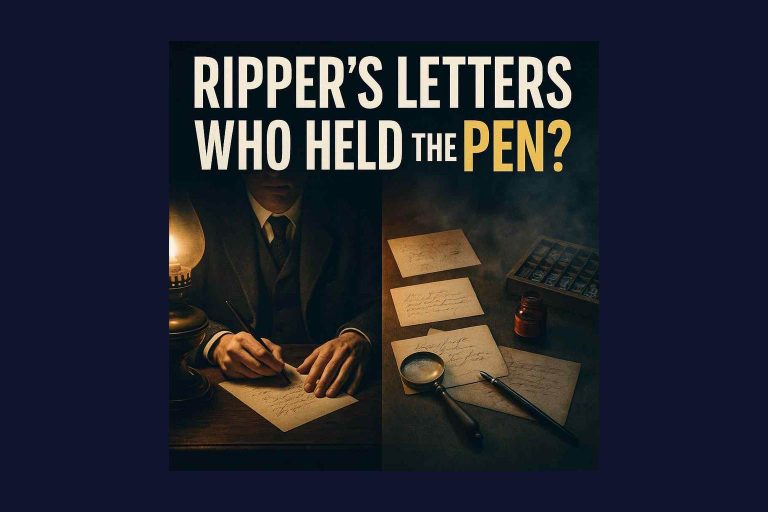
Hundreds of letters claimed to be from Jack the Ripper flooded London in 1888. Most experts, including Scotland Yard, doubt any were written by the real killer.
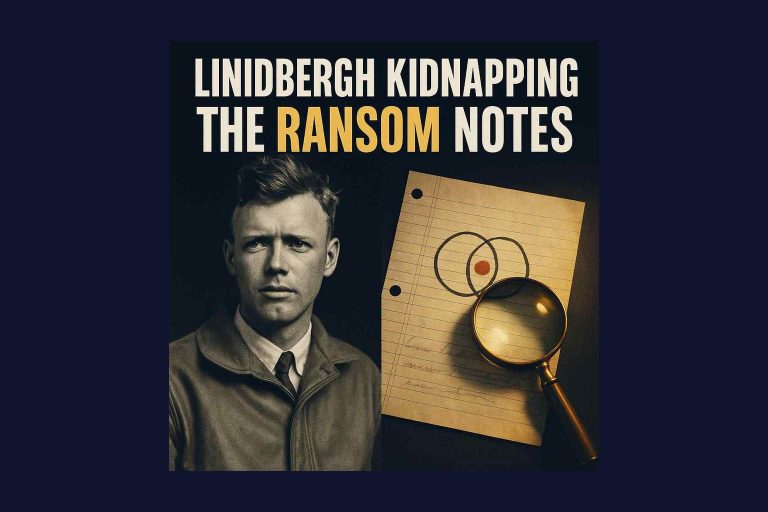
The Lindbergh kidnapping case turned on thirteen ransom notes and a controversial handwriting analysis. Eight examiners agreed on their findings, but the way exemplars were collected still shapes forensic practice today.