When Aretha Franklin died in August 2018, her family believed she hadn’t left a will. With her estate reportedly worth around six million dollars, the question of who would inherit was wide open—until her niece, Sabrina Owens, began sorting through her home nine months later.
Aretha Franklin’s 2014 handwritten will was found hidden in her couch, and a Michigan jury decided in under an hour that it should stand. The case wasn’t about handwriting, but if it had been, a forensic document examiner would have compared the writing, signature, and any changes to known samples to determine authenticity.
What Was Found in Aretha Franklin’s House?
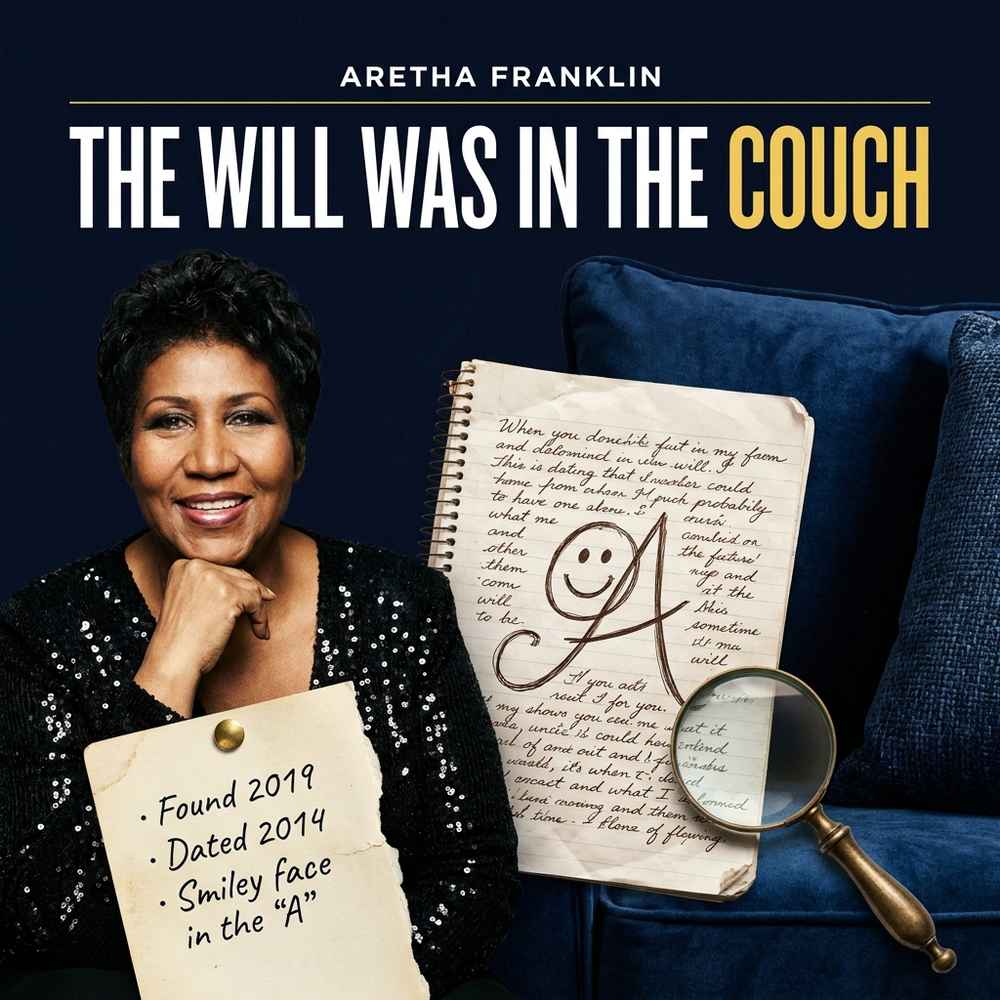
Sabrina Owens, Franklin’s niece, searched the house and made two discoveries that would shape the fate of the Queen of Soul’s estate. In a locked cabinet, she found an eleven-page handwritten will from 2010, notarized and stored alongside record contracts. Then, under the far-right cushion of the living room sofa, she found three spiral notebooks. One of these, dated March 2014, appeared to be a will written in Aretha’s own hand, with doodles and a distinctive smiley face drawn inside the “A” of her signature. The 2010 will set conditions—Franklin’s two younger sons had to finish business classes before inheriting. The 2014 notebook dropped that requirement. It also showed her son Ted’s name crossed out as executor, replaced by her youngest, Kecalf. These differences set the stage for a family dispute that ended up in an Oakland County, Michigan courtroom in July 2023.
What Did the Jury Decide?
The family’s lawyers presented two very different arguments. Ted’s team pointed out that the 2010 will was locked away and notarized, while the 2014 will was found in a couch. Kecalf’s lawyer asked where Aretha read her mail, signed papers, and even slept. Ted answered, “on the couch.” Six jurors reviewed four poster-board blowups of the notebook pages. After less than an hour of deliberation, they ruled in favor of the couch will. The 2014 handwritten document became the controlling will for Aretha Franklin’s estate.
Was the Handwriting Ever in Question?
Here’s what stands out: nobody in that courtroom argued the notebook was forged. Ted Franklin himself testified that the handwriting was his mother’s. The legal fight was about whether a handwritten page like that counted as a valid will under Michigan law—not about who wrote it. But imagine if someone had claimed the handwriting wasn’t Aretha’s. That would have changed the case entirely. The question of authenticity—whether the writing, the signature, or any crossed-out names were genuinely hers—is a different kind of argument. It’s not about where the document was found or who had the key. It’s about the marks on the page, and whether they match what’s known about the person’s writing habits.
How Would a Document Examiner Approach a Case Like This?
In my experience, when the handwriting itself is questioned, the process starts with collecting known samples—letters, checks, notes, anything written by the person around the same time. The examiner compares these to the questioned document under magnification, looking at one habit at a time. This includes the shape of letters, the pressure of the pen, slant, spacing, and even unique touches like a smiley face inside an “A.” There are usually three separate questions: Is the body of the writing genuine? Is the signature genuine? And were any changes—like a crossed-out name or a rewritten number—added by someone else or at a different time? Each question requires its own careful examination. Originals are always best, but high-quality copies can sometimes be used if the original isn’t available. The findings are then presented clearly—often on exhibit boards—for the jury to see and weigh alongside other evidence.
What Should You Do If You’re Facing a Questioned Will?
If you’ve found a handwritten will and there’s any doubt about its authenticity, get the handwriting question answered early. Don’t write on, staple, or otherwise alter the document. Keep it safe and get a qualified examiner involved as soon as possible. The sooner the handwriting is examined, the less likely the case will get sidetracked by arguments that have nothing to do with the marks on the page.
Frequently Asked Questions
What happened in the Aretha Franklin will case?
Aretha Franklin died in August 2018 and her family believed she had left no will. Her niece, Sabrina Owens, later found two handwritten wills in her home: a notarized 11-page will from 2010 in a locked cabinet, and a will dated March 2014 in a spiral notebook under a couch cushion. Her sons went to court over which one should control her estate.
When did the Aretha Franklin will dispute happen?
Aretha Franklin died in August 2018. The wills, dated 2010 and March 2014, were found in 2019. The case went to a jury trial in Oakland County Probate Court in Pontiac, Michigan, on July 11, 2023.
What was the outcome of the Aretha Franklin will trial?
A six-person jury deliberated for less than an hour and found in favor of the 2014 handwritten will found in the couch, over the notarized 2010 will.
Was Aretha Franklin’s handwriting ever questioned in court?
No. Nobody at the trial argued the 2014 notebook will was forged, and her son Ted testified it was his mother’s handwriting. The dispute was whether a handwritten page like that counted as a valid will under Michigan law, so document examination did not decide the case.
How would a document examiner check a handwritten will like Aretha Franklin’s?
An examiner compares the questioned writing with known samples of the person’s handwriting, looking at letter forms, pen pressure, slant, spacing and unique habits. The body of the will, the signature, and any changes such as crossed-out names are examined as separate questions.
What should you do if you find a handwritten will?
Keep the original safe and do not write on, staple or alter it. If there is any question about who wrote it, have a qualified forensic document examiner look at it early.
If you’re dealing with a questioned will, signature, or document, Handwriting Experts Inc. can help. Visit HandwritingExpertUSA.com or call 1-800-980-9030.